Acupuncture for Nervous System Support & Wellbeing
Life can place ongoing demands on the nervous system. Over time, stress, poor sleep, emotional load, and physical tension can build up, leaving the body feeling constantly “on edge” or depleted. Acupuncture and Traditional Chinese Medicine (TCM) offer a gentle, holistic way of supporting the nervous system and helping the body return to a more settled, resilient state.
Rather than focusing on one symptom in isolation, acupuncture aims to support the body as a whole — helping it regulate stress more effectively and creating the conditions for rest, repair, and balance.
Stress, Anxiety & Feeling Overwhelmed
Stress and anxiety don’t just affect how we think — they affect how we feel in our bodies every day. When stress becomes ongoing, it can influence sleep, digestion, energy levels, mood, focus, and emotional resilience. Many people describe feeling tense, wired, exhausted, or unable to fully switch off.
From a Chinese Medicine perspective, this can happen when the body is under prolonged strain or doesn’t have the reserves it needs to recover properly.
You might notice this as:
Tightness in the chest, jaw, neck, or shoulders
Shallow breathing or frequent sighing
Digestive discomfort or changes in appetite
Fatigue alongside restlessness
Irritability, overwhelm, or emotional sensitivity
Racing thoughts or difficulty winding down
Acupuncture is commonly used to support the nervous system and help ease this constant state of alert. Many people find treatments deeply calming, allowing both body and mind to slow down and reset. Over time, this can support greater emotional steadiness and a sense of feeling more grounded in daily life.

Sleep & Difficulty Switching Off
When the nervous system is overstimulated, sleep is often one of the first things to suffer. You may feel tired but unable to fall asleep, wake frequently through the night, or wake feeling unrefreshed no matter how long you’ve slept.
From a TCM point of view, sleep issues often reflect an imbalance between activity and rest — the body struggles to fully settle into deep, restorative sleep.
This can show up as:
Trouble falling asleep due to an active mind
Light or restless sleep
Waking during the night and struggling to return to sleep
Vivid or disturbing dreams
Waking too early and feeling depleted
Acupuncture is used to support relaxation and help calm an overactive nervous system, making it easier for the body to rest. Many clients notice that treatments themselves feel deeply restful, with this sense of calm often carrying over into improved sleep between sessions.
Headaches, Migraines & Tension
Ongoing stress and nervous system tension can also show up as headaches or migraines. These may feel like tightness across the head, pressure behind the eyes, or pain that flares during stressful periods.
In Chinese Medicine, headaches are often linked to tension, poor circulation, or depletion after prolonged stress. Acupuncture has traditionally been used to support relaxation, ease muscular tension, and address underlying patterns that may contribute to recurring headaches.
Treatment is always tailored to you, taking into account where the pain is felt, what triggers it, and how it fits into your overall health picture.
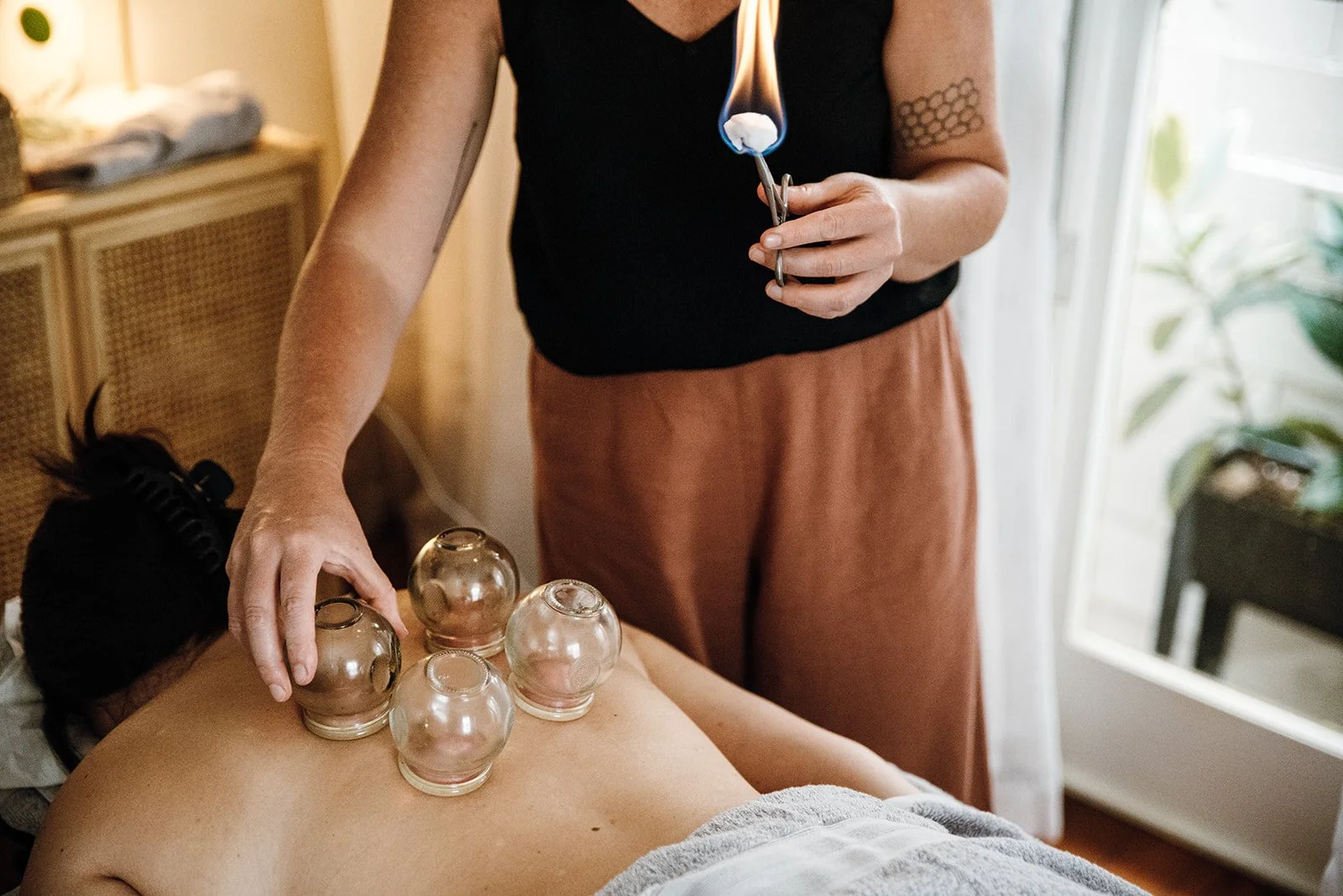
Supportive, Individualised Approach
At Solace Acupuncture, we take time to understand how stress or nervous system strain is affecting you — physically, emotionally, and mentally. Your care is personalised and designed to support your overall wellbeing, not just individual symptoms.
Your treatment plan may include:
Acupuncture to support nervous system regulation and relaxation
Chinese herbal medicine when appropriate
Lifestyle and self-care guidance to help support balance between treatments
Acupuncture is used as part of a holistic approach to wellbeing and may be used alongside other forms of healthcare.
If you’re feeling overwhelmed, struggling with sleep, or noticing the effects of ongoing stress on your body, book an initial consultation today to explore how acupuncture may support your wellbeing.